
![10 Pros and Cons of AI in Education [UPDATE 2026]](/_next/image?url=%2Fassets%2F10.jpg&w=3840&q=75)
Top 10 AI in Education Benefits
1. Learning That Fits YOU
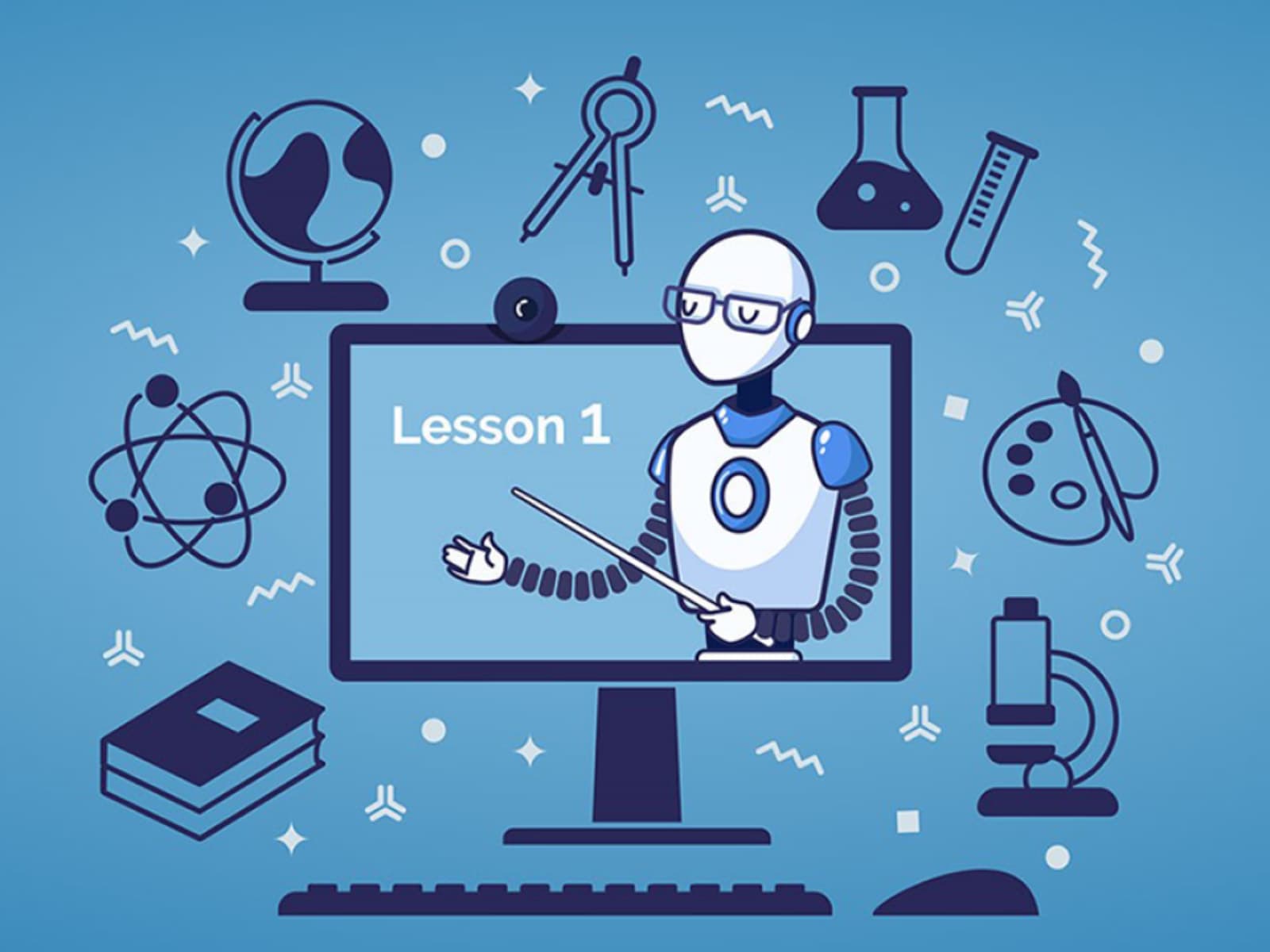
AI tools can figure out your student's learning style and adjust to your learning pace. Struggling with algebra? It'll give you more practice. Crushing it in history? It'll move you ahead faster. Adaptive learning platforms use your student performance data to customize educational content just for you.
No more one-size-fits-all teaching where some kids are bored and others are lost. AI can identify your knowledge gaps and fill them in, making the learning process way more effective. This research from Frontiers in Education shows how AI creates personalized learning paths that actually work.
2. Instant Feedback on Your Work
Remember waiting days or weeks to get your essay back? AI can give you instant feedback right away, while the material is still fresh in your head. This helps improve student outcomes because you actually learn from your mistakes instead of just seeing a grade and moving on.
Research on AI assessment systems shows these tools provide detailed, personalized responses that support student learning in real-time. You get valuable insights into what you're doing right and wrong immediately.
3. Teachers Get Their Lives Back
Teachers spend SO much time on administrative tasks such as grading papers, creating lesson plans, managing student records, and doing paperwork. AI can streamline administrative tasks and handle a lot of that boring stuff. A Brookings Institution study found teachers using AI save about 6 hours every week!
This allows teachers to focus on what really matters, actual human interaction with students, providing emotional support, and personalized instruction. AI systems handle the busywork while educators handle the human stuff that enables teachers to make a real difference.
4. Making Learning Accessible to Everyone
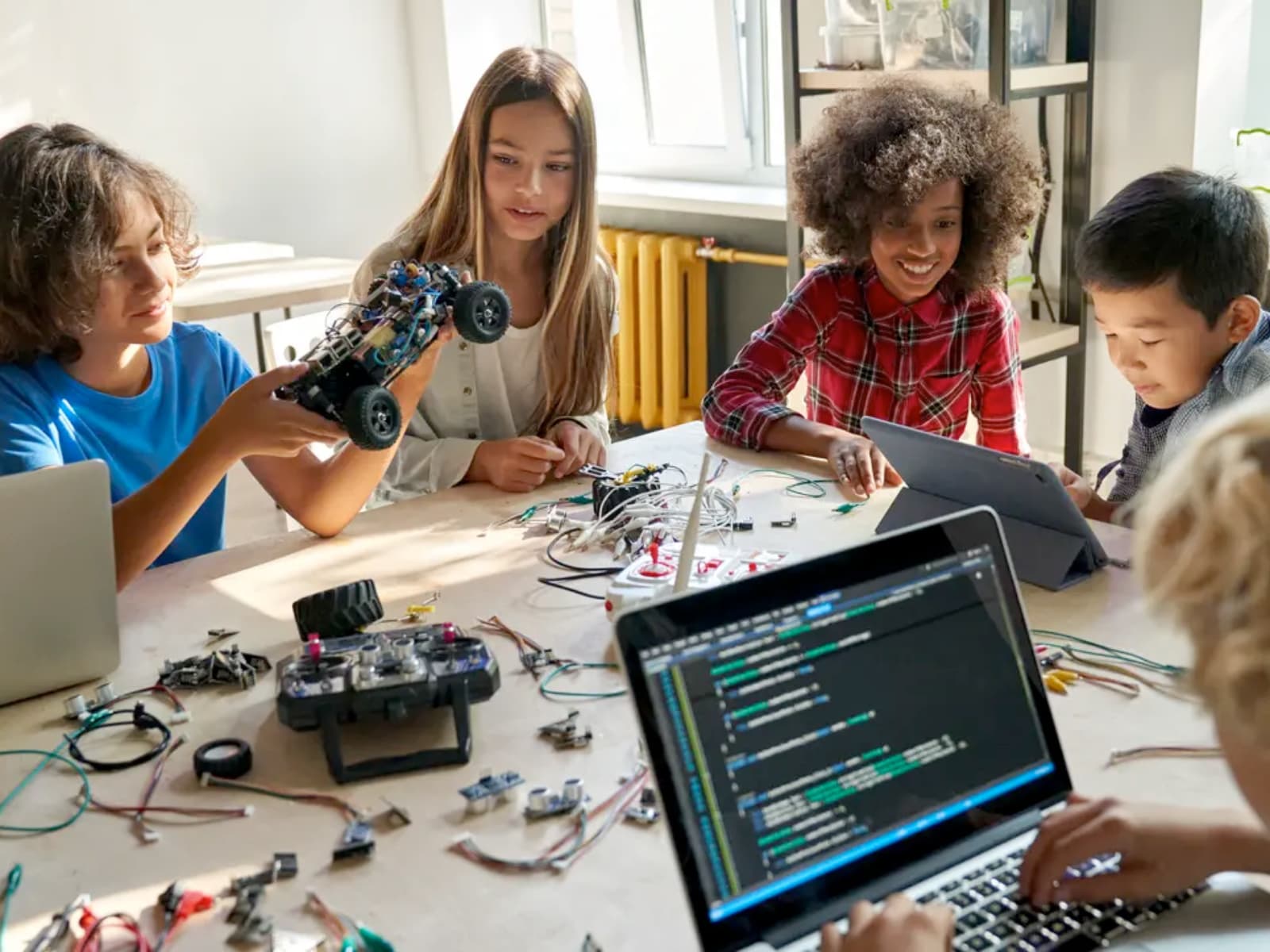
AI is a game-changer for students with disabilities. Text to speech for blind students, speech recognition and auto-captions for deaf students, translation for international students - accessibility AI tools break down barriers that used to keep people out.
Research published in AI and Ethics shows how AI driven education supports different learning styles and needs. Everyone deserves a chance to learn, and artificial intelligence makes that possible for more people than ever before.
5. Teachers Can Track Student Progress Better
AI can crunch tons of student data to show teachers which students are struggling before they fail. It spots patterns humans might miss like a student who's slowly falling behind or a topic that's confusing the whole class. Early warning means early help.
This systematic review explains how AI provides valuable insights that inform teaching strategies and curriculum effectiveness. School leaders can use this data to make smarter decisions about educational resources and support teachers in helping every student succeed.
6. Student Engagement Goes Up
Let's be honest. Traditional learning can be boring. AI makes things more interesting with interactive content, games, and lessons that adapt when you're losing interest. When learning feels less like a chore, student engagement actually increases.
Research from the VILAKSHAN Journal of Management found that AI-enabled personalized learning significantly boosts motivation and student outcomes. The potential benefits are huge when students actually want to learn.
7. Intelligent Tutoring Systems Actually Work
Those AI tutoring programs? They're legit. A major study in the Journal of Educational Psychology looked at over 14,000 students and found that intelligent tutoring systems help students learn better than regular classroom teaching or basic computer programs. Some research even says they're almost as good as having a real human tutor one-on-one.
These AI powered tools adapt to how you're doing, giving you harder problems when you're ready and extra help when you're stuck. They enhance personalized learning in ways a single teacher with 30 students simply can't.
8. Learning Languages Gets Easier
Artificial intelligence is amazing for picking up new languages. Chatbots let you practice conversations without feeling embarrassed, translation tools help you understand content, and writing assistants fix your grammar in real-time.
Studies on AI writing tools show they help students develop language skills faster. It's like having a patient language partner available 24/7 who never judges you for making mistakes.
9. Works for 30 Students or 30,000
AI doesn't get tired. Automated grading systems can evaluate thousands of assignments at the same time, give everyone personalized feedback, and stay consistent. This is huge for online courses and big classes where one teacher can't possibly give everyone individual attention.
Research on AI grading shows these systems maintain quality even at massive scale. Educational institutions can serve more students without sacrificing the quality of feedback.
10. Helping Students Who Need It Most
Here's something cool: AI can actually help level the playing field. Students from disadvantaged backgrounds who don't have access to tutors or extra help can get personalized support through adaptive learning systems.
A study in TechTrends found AI tutoring helps these students catch up without needing expensive educational resources. When done right, AI in education can improve student outcomes for everyone, not just kids who already have advantages.
Top 10 AI in Education Disadvantages
1. Your Critical Thinking Skills Get Lazy
This is a big one. When you let AI do your thinking, your own critical thinking skills get weaker. Research published in Societies found that people who use AI tools a lot score lower on critical thinking tests. It's like using a calculator so much you forget basic math.
The study calls this "cognitive offloading" - you're basically outsourcing your brain work. Younger people (17-25) are hit the hardest. Your problem solving skills need exercise, and AI might be making them flabby.
2. Data Privacy Is a Real Concern
AI needs data to work - YOUR data. Your grades, how long you spend on problems, maybe even your face for proctoring software. Where does all that student information go? Who can see it? Research in AI and Ethics highlights serious security concerns about protecting student information.
Most students have no idea how their student data is being used, and honestly, the protections aren't great yet. Data privacy should be a bigger conversation. Schools need to protect student data better and be transparent about what they're collecting.
3. Academic Integrity Just Got Way Harder
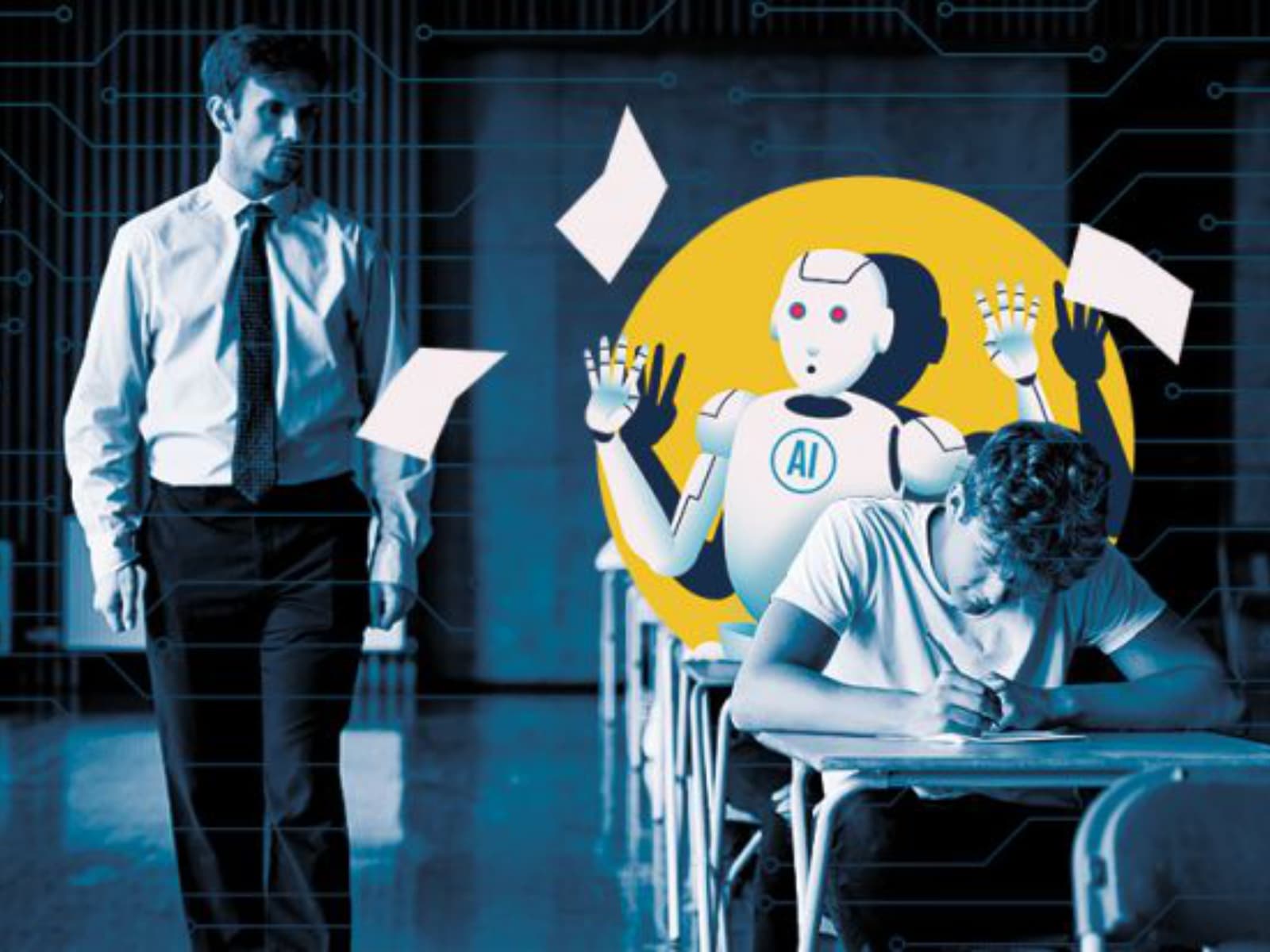
Generative AI tools make cheating incredibly tempting. ChatGPT can write your essay in seconds. A study in Innovations in Education notes that most students admit to using AI for homework. The scary part? It's really hard to detect.
This doesn't just hurt honest students; it means cheaters don't actually learn anything. Academic integrity matters because your education is supposed to prepare you for real life, not just get you a grade.
4. AI Can Be Biased (And That's Not Fair)
AI learns from data created by humans and humans have existing biases. Studies on AI bias found AI grading systems give different scores to students based on their background or writing style.
Non-native English speakers get flagged as "cheaters" more often because AI thinks simple writing equals not human. That's messed up and raises serious ethical considerations about fairness in educational settings.
5. Less Human Connection With Teachers
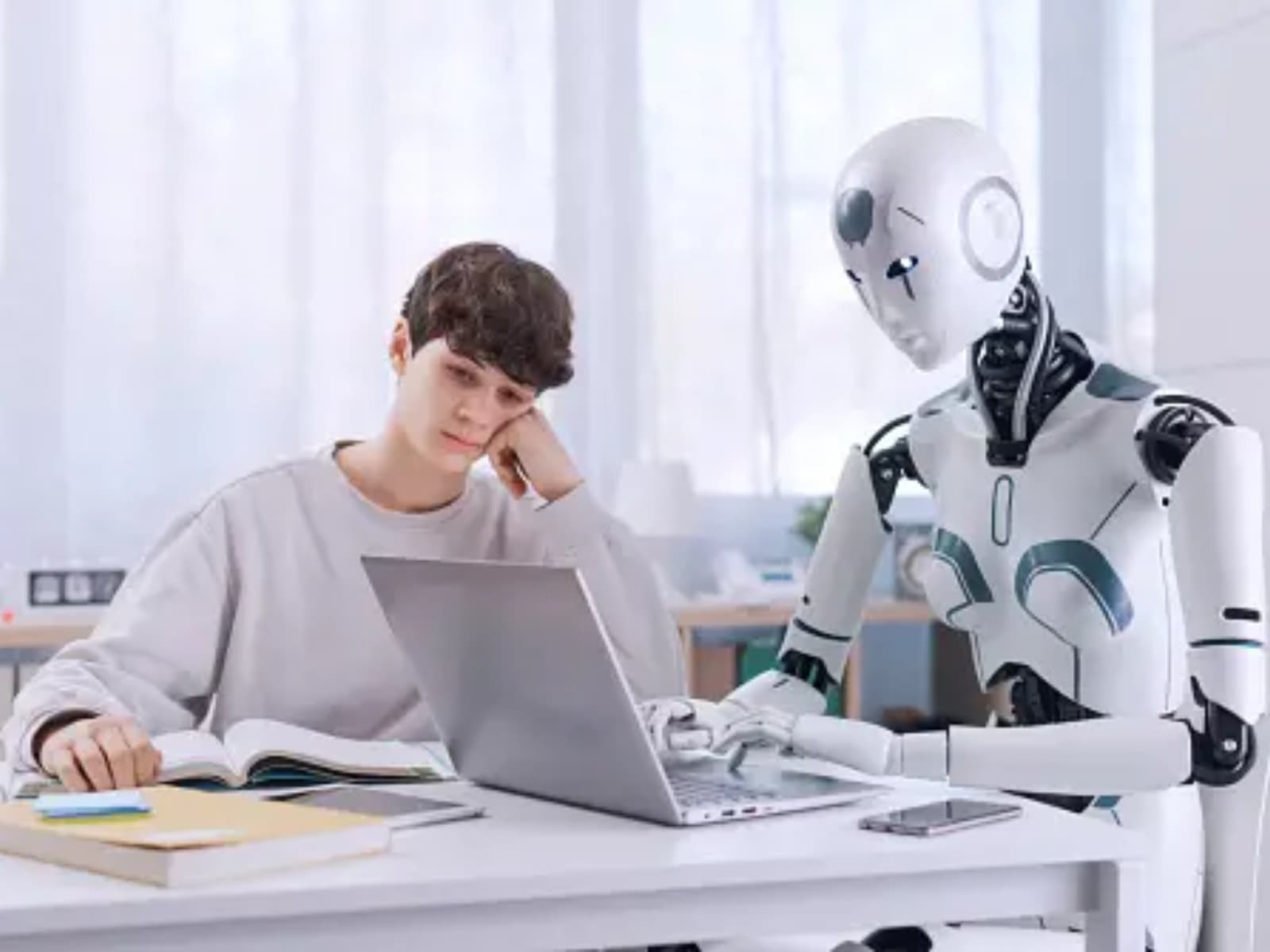
There's something special about a teacher who knows you, believes in you, and provides emotional support when you're struggling. Can AI replace teachers in providing that? No way. Research on AI and modern educational goals emphasizes that human interaction is fundamental to student well being and motivation.
If we rely too much on AI technologies, we lose those relationships that actually make school meaningful. Learning isn't just about information, it's about human intelligence and connection too.
6. Not Everyone Has Access
AI education tools are great... if you have good internet, a decent computer, and a school that can afford the technology. A comprehensive review shows many students don't have access - rural areas, low-income schools, developing countries are being left behind.
AI might actually make inequality WORSE, not better. Transforming education means nothing if only rich kids benefit. We need careful planning to ensure accessibility AI tools reach everyone.
7. You Might Not Actually Remember Stuff

Here's a weird finding: students using AI solve more problems correctly, but they understand the concepts less. Research on AI's cognitive effects found AI helps you get the right answer without really learning why it's right.
It's like GPS, great for getting somewhere, terrible for actually learning the route. Your brain needs struggle to grow. AI might be robbing you of that productive struggle that builds real understanding of complex concepts.
8. Nobody Knows How AI Makes Decisions
Why did the AI give you that grade? Why did it recommend that lesson? Often, nobody knows, not even the people who built it. A systematic review in Humanities and Social Sciences Communications highlights this "black box" problem.
You can't really argue with AI decisions or understand what you did wrong. That's frustrating and unfair. AI systems need more transparency, and professional development for teachers should include understanding how these tools actually work.
9. What Happens When It Breaks?
Schools are becoming dependent on AI systems for everything from automating administrative tasks to tracking student progress. But what happens when the server crashes? When there's a cyber attack? Research on AI implementation challenges warns about over-reliance on technology that might fail.
Technology breaks, and if schools have forgotten how to function without AI, that's a big problem. We shouldn't let AI replace teachers or traditional methods entirely.
10. Creativity Takes a Hit
When AI gives you ideas, you might stop coming up with your own. Studies on AI and creativity found that students using AI for creative tasks showed "cognitive fixation" - they got stuck on AI's suggestions instead of thinking originally.
If everyone's using the same simple generative AI systems, everyone starts thinking the same way. That's bad for innovation and emotional development. Your unique human intelligence is what makes you valuable, don't let AI flatten it out.